Researched by PDFBuddyFree Team · Last updated November 15, 2026 · Data: ECB, Euro area bank interest rate statistics, September 2025 + pdf-lib documentation
Free Loan Agreement PDF Maker — Lend It in Writing
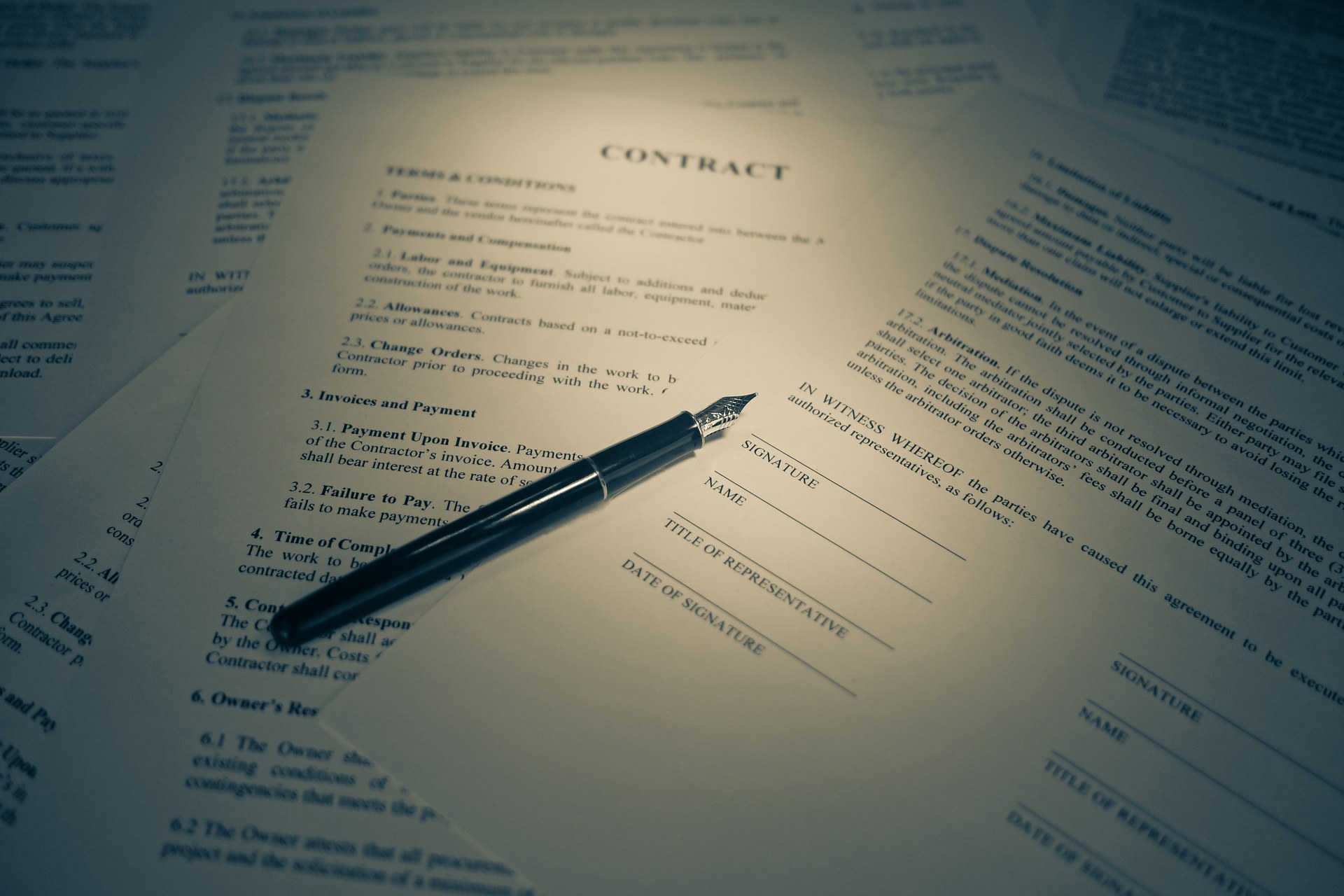
Fill in lender and borrower, the amount, the interest rate and the term, then download a loan agreement — ready for both sides to sign, with the monthly payment calculated live. A loan between friends still needs a piece of paper: once the money has moved, a missing agreement turns every late payment into a friendship test. The agreement is built entirely in your browser, so nothing you type is uploaded, and a realistic sample is pre-filled so you can try it right now.
🔒 Your loan details never leave this page
- Lender and borrower names, the amount and the rate are typed here and the PDF is built 100% in your browser — nothing is uploaded to any server.
- No account, no email capture, no tracking of your content.
- Close the tab and the details are gone — by design. Why that matters →
Template only — not legal advice. Lending rules, interest caps and tax treatment differ by country — check your local rules before you rely on it.
How to make a loan agreement in 4 steps
- Fill in lender and borrower — a realistic sample is pre-filled.
- Set the amount, the annual interest rate and the term in months.
- Check the live monthly payment, total interest and total payable.
- Press Download Loan Agreement PDF and get both sides to sign before the money moves.
💡 PDFBuddyFree verdict: a loan between friends still needs a piece of paper
Take the sample: Marco Rossi lends Elena Bianchi €5,000 at 6% a year for 24 months, starting 1 December 2026, to renovate her kitchen. The maths is live above the button: €221.60 a month, €318.47 of interest in total, €5,318.47 paid back altogether — and the agreement writes all three numbers into the PDF, so nobody has to remember them. For scale, banks in the euro area charged an average of 7.40% on new loans to households for consumption in September 2025 (ECB, Euro area bank interest rate statistics, September 2025), so a 6% loan between two people sits a little below the bank rate. A template cannot replace a lawyer for a large or commercial loan, but for most personal loans a clear signed agreement beats a verbal promise every time.
What a loan agreement actually does
A loan agreement is the short contract that turns “I’ll pay you back” into something both sides can point at: who lent what to whom, how much interest applies, how the money comes back and by when, what happens if a payment is missed, and which country’s law governs the deal. Without it, a late payment becomes a friendship test — was it €200 a month or €250, and was there interest at all? With it, the answer is on page one, next to both signatures. Our NDA maker covers the confidentiality side if the loan is part of a business deal.
| After | Balance still owed |
|---|---|
| 6 payments | €3,805.54 |
| 12 payments | €2,574.79 |
| 18 payments | €1,306.66 |
| 24 payments | €0.00 — paid off |
💶 Write the amount in figures and words
“€5,000 (five thousand euros)” leaves no room for a typo to become a dispute. The PDF writes the figures you type — double-check them before you download.
📅 Fix the payment day
The sample says the monthly payment is due on the 1st of each month, starting 1 January 2027. One fixed day a month is easier to remember — and easier to prove — than “about once a month”.
⚠️ Agree the late fee before it is needed
The sample sets a €25 fee per missed payment. Agreeing it while everyone is friendly is easy; arguing about it after a missed payment is not.
🏦 Keep the money trail
Pay by bank transfer, not cash, and keep the transfer receipts with the signed agreement. If there is ever a dispute, the bank statement is the proof that the money moved.
📝 Interest-free is fine — say so
Set the rate to 0 and the tool shows a monthly payment of €208.33 on the sample — the amount split evenly over 24 months with no interest at all. Writing “0%” is clearer than leaving the rate blank.
✍️ Both sides sign, both keep a copy
An unsigned loan agreement is a draft. Send the PDF, get both signatures back, and keep a copy each. Our online signing tool can collect the signatures afterwards.
Straight talk: limits
⚖️ A template, not legal advice
This is a starting template for a simple personal loan. It does not cover consumer-credit rules, interest caps, or tax on the interest — and lending law differs sharply by country. Get it checked by a lawyer where you live before you rely on it, especially for large amounts or commercial lending.
💸 Lending is regulated in many countries
Lending to the public as a business needs a licence in most of Europe. This tool is for a one-off personal loan between two people who know each other — not for running a lending business.
🌍 Governing law is your choice
The sample uses Italian law because both sample parties are in Milan. Pick the country where you would actually go to court — and if the two sides are in different countries, agree on one law together before signing.
Free Loan Agreement PDF Maker FAQ
Is this loan agreement maker really free?
Yes — unlimited agreements, no account, no payment details. The PDF is built entirely in your browser with the open-source pdf-lib library, so there is nothing to meter and no file ever reaches a server.
Is a loan between friends or family legally binding?
A signed loan agreement between two people can be binding in most countries, but this is a starting template, not legal advice. Its strength depends on your local law and on both sides signing it — get it checked by a lawyer in your country for large amounts.
What interest rate should I use?
Whatever you both agree — the tool accepts any rate, including 0% for an interest-free loan. For scale, banks in the euro area charged an average of 7.40% on new loans to households for consumption in September 2025 (ECB). Some countries cap the rate private lenders may charge, so check your local cap.
What if the borrower misses a payment?
The agreement sets a late fee per missed payment and says the lender may demand the full remaining balance after two missed payments. For a serious default you will need a lawyer — an agreement deters most missed payments, but it is not a substitute for legal action.
Do I need a witness or a notary?
In most European countries, no — the two signatures are enough for an ordinary personal loan. A witness adds weight if there is ever a dispute, and a notary is usually only needed for very large amounts or for loans secured against property.
Can I lend money interest-free?
Yes. Set the annual rate to 0 and the tool splits the amount evenly over the term — on the sample that is €208.33 a month for 24 months, with no interest at all. Writing “0%” in the agreement is clearer than leaving the rate blank.
Do I have to pay tax on the interest?
It depends on your country. In many countries the interest a private lender receives counts as taxable income, and in some the borrower must report the loan. Ask a tax adviser where you live before you sign — the agreement itself does not handle tax.
Is my information private?
Yes. The lender and borrower names, the amount and the rate are typed into a form on your device and the PDF is generated by JavaScript here — nothing is uploaded. Close the tab and the details are gone, so download the PDF before leaving.
A loan agreement vs a handshake or a bank transfer note: the protection contrast
A handshake leaves nothing to point at when a payment is late or the amount is disputed. A bank transfer with the note “loan” is better — the money trail proves the transfer happened — but it says nothing about the interest, the term, or when the money comes back. A one-page loan agreement puts the whole deal in one signed document: who is bound, how much, at what rate, for how long, and what happens if a payment is missed. The trade-off is honest: a template cannot replace a lawyer for large or commercial loans, and you still need the other side to actually sign it — but for most personal loans, a signed page beats a handshake and a transfer note every time.
You may also need


Card photos: rawpixel.com / Wikimedia Commons, CC0 · Press Service of the President of the Republic of Azerbaijan / Wikimedia Commons, CC BY 4.0





Educational content only. Nothing on this site is legal or professional advice.