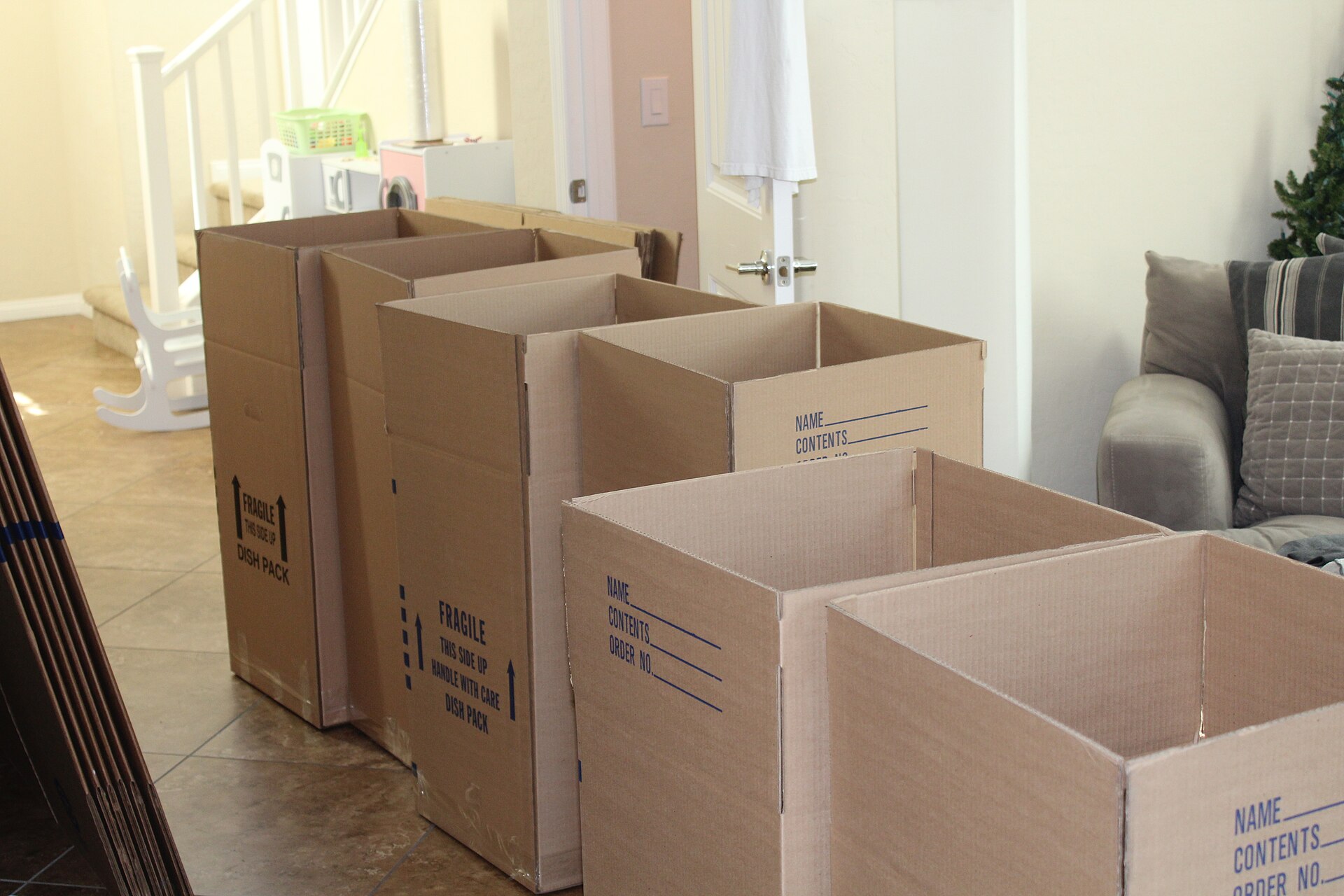
You moved out, handed back the keys and left the flat clean — and the deposit still has not come back. Landlords are allowed time to settle final bills, but they are not allowed to keep your money in silence. A written request names the tenancy, the amount, the move-out date and a deadline, and it creates the paper trail you need if you have to escalate. This tool builds that letter as a clean A4 PDF, in your browser, never uploaded.
By Amir Shahzad · Last updated November 25, 2026 · 100% in-browser processing
The deadline depends on the country, so check the rule where the flat is. In France the landlord has one month to return the deposit if the exit inspection found no damage, and two months if deductions are made (law of 6 July 1989, Article 22). In Spain the landlord has one month (Ley de Arrendamientos Urbanos, Article 36). In the UK the deposit must be returned within 10 days once you and the landlord agree the amount. In Germany there is no fixed statutory deadline, but courts accept a reasonable settlement period of up to around six months while final bills are settled — the landlord must still account for the money, not keep it in silence.
What the landlord can deduct is narrower than many tenants think. Unpaid rent, damage beyond normal wear and tear, and cleaning only if the flat was not left as agreed — and every deduction must be itemised with a receipt. Faded paint, small scuffs and worn carpet are normal wear, not damage, and cannot be charged. Damage that was already there at move-in is not yours to pay for, which is why the move-in inspection report and your move-out photos matter. If the landlord misses the deadline, penalties can apply — in France, for example, the landlord owes 10% of the monthly rent for each month late.
| Country | Return deadline | If the landlord is late |
|---|---|---|
| France | 1 month (2 months if deductions) | 10% of the monthly rent per month late |
| Spain | 1 month | Interest applies on the amount owed |
| United Kingdom | 10 days after the amount is agreed | Raise a dispute with the deposit protection scheme |
| Germany | No fixed deadline; up to ~6 months accepted | Claim the amount through the courts if needed |
Lena Fischer rented a flat at 12 Lindenstrasse, Apt 4, 10115 Berlin from 1 June 2024 to 31 October 2026 and paid a €1,200 deposit (illustrative example). She returned all keys on the move-out date and the inspection found no damage beyond normal wear. She enters the landlord, the address, the tenancy dates and the deposit, adds her IBAN, and asks for the return by 9 December 2026. She downloads the letter dated 25 November 2026 and emails it to her landlord. In Germany the landlord may take time to settle final bills, but must account for the deposit — and if any deduction is claimed, it must come with an itemised statement and receipts.
This tool produces a clear deposit return letter, but it is not a substitute for legal advice. Deposit rules, deadlines and penalties differ by country, and some tenancy types have their own rules.
Take dated photos of every room on the day you leave, and keep the move-out inspection report. Without them, a disputed deduction is your word against the landlord's.
Do not stop paying the last month's rent to get the deposit back unless your contract allows it. Unpaid rent gives the landlord a reason to deduct, and it weakens your letter.
Write to the landlord with the property address, the tenancy dates, the deposit amount and a deadline, and ask for the money to your bank account. This tool builds that letter as a PDF. Send it by email or recorded post and keep proof of delivery.
It depends on the country: one month in France (two if there are deductions) and Spain, 10 days in the UK once the amount is agreed, and in Germany there is no fixed deadline but courts accept up to around six months. Check the rule where the flat is.
Unpaid rent, damage beyond normal wear and tear, and cleaning if you left the flat dirty. Every deduction must be itemised with a receipt. Faded paint and small scuffs are normal wear, not damage.
Ask for the itemised statement with receipts and compare it with the move-in inspection report and your move-out photos. Damage that was already there at move-in is not yours to pay for.
Escalate: in the UK, raise a dispute with the deposit protection scheme; in France, write to the departmental conciliation commission; elsewhere, a lawyer's letter or the small-claims court usually moves things.
Sometimes: some countries and some tenancy types require the deposit to be held in a protected account that earns interest for the tenant. Check the rules where the flat is, and ask for the interest in the letter if it applies.
No — never offset the deposit against rent unless your contract allows it. Unpaid rent gives the landlord a reason to deduct, and it weakens your letter.
Here your document is never uploaded at all. The PDF is built 100% in your browser tab with JavaScript, so your name, tenancy details and deposit amount never touch a server.
Yes — unlimited letters, no signup, no watermark and no daily caps, forever. Because everything runs on your own device, there is no server cost to pass on to you.
Deadlines: France, law of 6 July 1989, Article 22; Spain, Ley de Arrendamientos Urbanos, Article 36; UK, deposit protection scheme rules (10 days after agreement); Germany, case law allowing a reasonable settlement period. Figures in the worked example are illustrative. The tool builds the letter entirely in your browser; nothing is stored or transmitted. This page is a document template, not legal or financial advice. By Amir Shahzad · Last updated November 25, 2026.
Photo: MoveON moving / Wikimedia Commons, CC BY-SA 4.0 · Photo: Sygmoral / Wikimedia Commons, CC BY-SA 4.0 · Photo: CIPHR Connect / Wikimedia Commons, CC BY 2.0
Educational content only. Nothing on this site is legal or professional advice.
 Free PDF Toolkit