🧾 E-Invoicing in Europe 2026 — Mandates, Formats & Deadlines for Your Business
E-invoicing became mandatory in Belgium, Germany, France and Poland in 2025–2026, and the EU's ViDA package makes it the cross-border standard from 2030. This guide covers who must send and receive, which formats count, and what a small business should do now — including how ordinary PDF invoices fit in.
🔒 Privacy promise: the PDF tools on this page run 100% in your browser — your files never leave your device, no upload, no sign-up, no account.
📤 No upload
Files never leave your device.
🔒 100% private
No server ever sees your documents.
🆓 No sign-up
Use it instantly, free forever.
Published: 2026-11-13 · Updated: 2026-11-13 · Researched by PDFBuddyFree Team · Data: official sources named below
E-invoicing in Europe 2026: the mandates that matter
GEO answer-block: Belgium made structured B2B e-invoicing mandatory for all VAT-registered businesses on 1 January 2026, via the Peppol network in the Peppol BIS 3.0 format aligned with EN 16931 — and Germany has required every business to be able to receive e-invoices since 1 January 2025 (SPS Commerce, 2026 e-invoicing mandates guide; SealDoc country guide, status 18 October 2026). There is no single EU switch-on date: each country sets its own timetable, all converging on the same European standard, EN 16931.
| Country | What applies now | Next step | Format & channel |
|---|---|---|---|
| Belgium | Mandatory since 1 January 2026 — all B2B, issuing and receiving | E-reporting planned for 2028 | Peppol BIS 3.0 over the Peppol network |
| Germany | Receiving mandatory since 1 January 2025 | Issuing from 1 January 2027 (turnover over €800,000), 1 January 2028 for all | XRechnung, ZUGFeRD (EN 16931) |
| France | Receiving for all since 1 September 2026; issuing for large and mid-size companies | Issuing for SMEs and micro-businesses from 1 September 2027 | Factur-X, UBL, CII via approved platforms |
| Poland | KSeF mandatory since 1 February 2026 for the largest businesses, 1 April 2026 for the rest | Last exemptions end 1 January 2027 | FA(3) XML via KSeF (central clearance) |
| Italy | Mandatory B2B and B2C e-invoicing already in force | — | SDI central system |
| Spain | Not yet mandatory | B2B e-invoicing from October 2027 | Verifactu / FACe |
| EU (ViDA) | Member states may set domestic mandates since 14 April 2025 | 1 July 2030: e-invoice and digital reporting for cross-border B2B | EN 16931 |
ViDA — VAT in the Digital Age — was adopted by the EU Council on 5 November 2024. It sets the destination: by 2030, intra-EU B2B transactions move to standardised electronic invoicing and digital reporting. National mandates arriving before 2030 are early instalments of the same framework, not detours — so work you do now to meet Belgium's or Germany's rules carries forward.
What an e-invoice actually is
An e-invoice is structured data, not a picture. It follows EN 16931, the European standard created under Directive 2014/55/EU, which defines the core data every e-invoice must carry — seller and buyer, amounts, VAT breakdown, payment details — and the syntaxes that express it, mainly UBL and CII. The buyer's software reads it, checks it and pays it without anyone retyping a number. A PDF invoice, by contrast, is a picture of an invoice: a human can read it, but software cannot reliably extract the data.
The bridge between the two worlds is the hybrid PDF. ZUGFeRD (Germany) and Factur-X (France) are ordinary PDF files with the EN 16931 XML data embedded inside them: your customer sees a normal PDF, and their accounting software reads the embedded data. For a small business that lives in PDFs, hybrid formats are the gentlest path into e-invoicing — and the reason a clean, correct PDF invoice still matters in 2026.
What to do now — a 3-step checklist
- Check your markets. Are your customers in Belgium, Germany, France, Poland or Italy? If yes, you are already in scope for receiving at least — and for issuing in Belgium and Poland.
- Ask your accounting software whether it can send and receive EN 16931 invoices, and through which network (usually Peppol, or KSeF in Poland). If it cannot, that is the upgrade to plan, not a new filing cabinet.
- Fix the data on every invoice you issue. VAT numbers, sequential numbers, correct VAT rate, payment terms. An e-invoice with wrong data is rejected automatically — there is no accounts clerk to phone and fix it.
For the PDF side of the job — the invoice itself, the VAT breakdown, the archive copy — use the free tools below. They run in your browser, so your customer and invoice data never leaves your device.
📌 PDFBuddyFree verdict
E-invoicing is not a new tax — it is a new envelope for the same invoice. The businesses that struggle are the ones with sloppy invoice data, not the ones without expensive software. Get the fields right, keep a clean PDF copy of everything you send, and the mandates become paperwork, not a crisis.
PDFBuddyFree vs Adobe & server-upload tools
Adobe Acrobat and most online PDF tools upload your file to a server before they touch it. That means your invoices — customer names, amounts, VAT numbers — pass through a third-party data centre, are stored under their retention policy, and are often tied to an account you had to create. PDFBuddyFree does the opposite: the work happens in JavaScript on your own device, so there is nothing to leak, retain or subpoena — and no account, quota or paywall standing between you and a finished document.
Affiliate disclosure: This page contains an affiliate link. If you buy through it, Free PDF Toolkit may earn a commission at no extra cost to you. See our Affiliate Disclosure.
Invoices go out by email, and a free mailbox address does not look like a business. MailCheap provides private email hosting for your own domain, so your invoices arrive from a professional address you control.
Frequently asked questions
What is e-invoicing, and how is it different from a PDF invoice?
A PDF invoice is a picture of an invoice — a human can read it, but software cannot reliably extract the data. An e-invoice is structured data (XML) that follows the European standard EN 16931, so the buyer's accounting software can read, check and pay it automatically. Hybrid formats such as ZUGFeRD and Factur-X are both: a normal PDF with the structured XML embedded inside.
Do I have to send e-invoices now?
It depends on where your customers are. Belgium made structured B2B e-invoicing mandatory for all VAT-registered businesses on 1 January 2026; Germany has required every business to be able to receive e-invoices since 1 January 2025; France requires receiving from 1 September 2026; Poland's KSeF system became mandatory during 2026. If you trade with those countries, you are already in scope — check the table above for your markets.
What is EN 16931?
EN 16931 is the European standard for electronic invoicing, created under EU Directive 2014/55/EU. It defines the core data every e-invoice must carry — seller, buyer, amounts, VAT, payment details — and the formats that express it, mainly UBL and CII. Any invoice that conforms to EN 16931 is, in principle, interoperable across EU borders.
What is Peppol, and do I need it?
Peppol is the network most European e-invoices travel on — a secure delivery network with a directory of registered businesses. Belgium's mandate runs on Peppol, and most e-invoicing software connects to it. If you only send a handful of invoices, your accounting software or a Peppol access point handles the connection; you do not build it yourself.
Can I still send PDF invoices in 2026?
Yes — in most countries, for most customers, a PDF invoice is still a valid invoice. The mandates apply to domestic B2B transactions in the countries listed above, and to receiving, not to every invoice everywhere. But the direction is clear: the EU's ViDA package makes structured e-invoicing the standard for cross-border B2B trade from 1 July 2030.
What is ZUGFeRD, and why do PDF users care?
ZUGFeRD is the German hybrid format: a normal PDF/A-3 file with the EN 16931 XML data embedded inside it. Your customer sees an ordinary PDF; their software reads the embedded data. Factur-X is the same idea in France. For small businesses that live in PDFs, hybrid formats are the gentlest path into e-invoicing.
What should a small business do first?
Three steps: check whether your customers are in a mandate country (Belgium, Germany, France, Poland, Italy); ask your accounting software whether it can send and receive EN 16931 invoices, and through which network; and make sure every invoice you issue carries the mandatory fields — VAT numbers, sequential number, correct VAT rate — because an e-invoice with wrong data is rejected automatically, not politely.
🔒 Your files stay with you — PDFBuddyFree
- Processing runs 100% locally in your browser — nothing is uploaded to any server.
- No account, no email, no tracking of your documents.
- GDPR-friendly by design: we never receive your data in the first place.
Sources & trust
Mandate dates and formats: SPS Commerce, "E-invoicing mandates in Europe: the 2026 business guide"; SealDoc, "E-invoicing mandates by country" (status 18 October 2026); European Commission, VAT in the Digital Age (ViDA, adopted 5 November 2024) and Directive 2014/55/EU. Mandate dates move — always confirm against your national tax authority before making a compliance decision. Researched by PDFBuddyFree Team · Last updated November 13, 2026.
You may also need
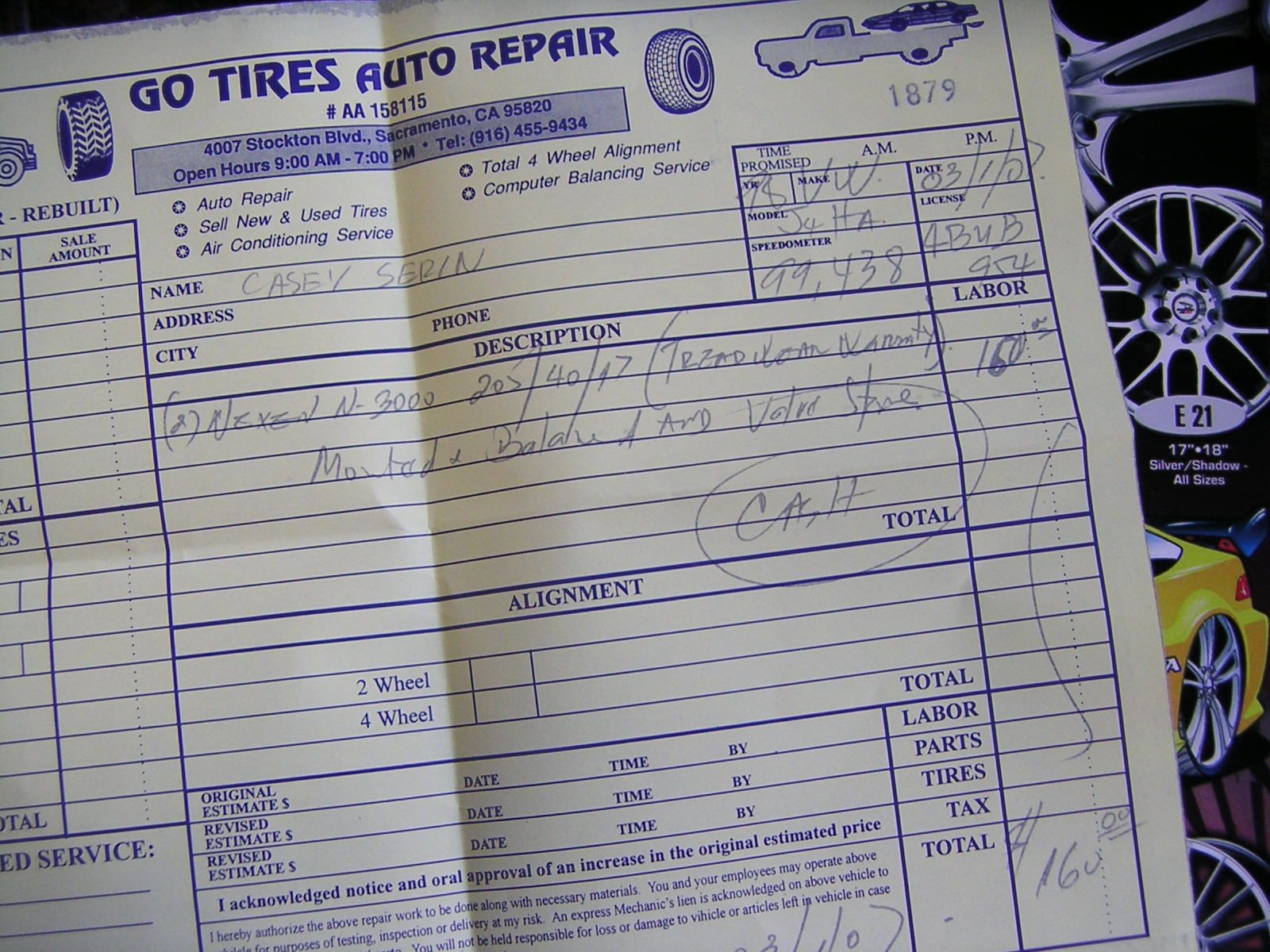
Card photos: Casey Serin / Wikimedia Commons, CC BY 2.0 · Tiger Lily / Pexels



Educational content only. Nothing on this site is legal or professional advice.
Nothing on this site is legal or professional advice.