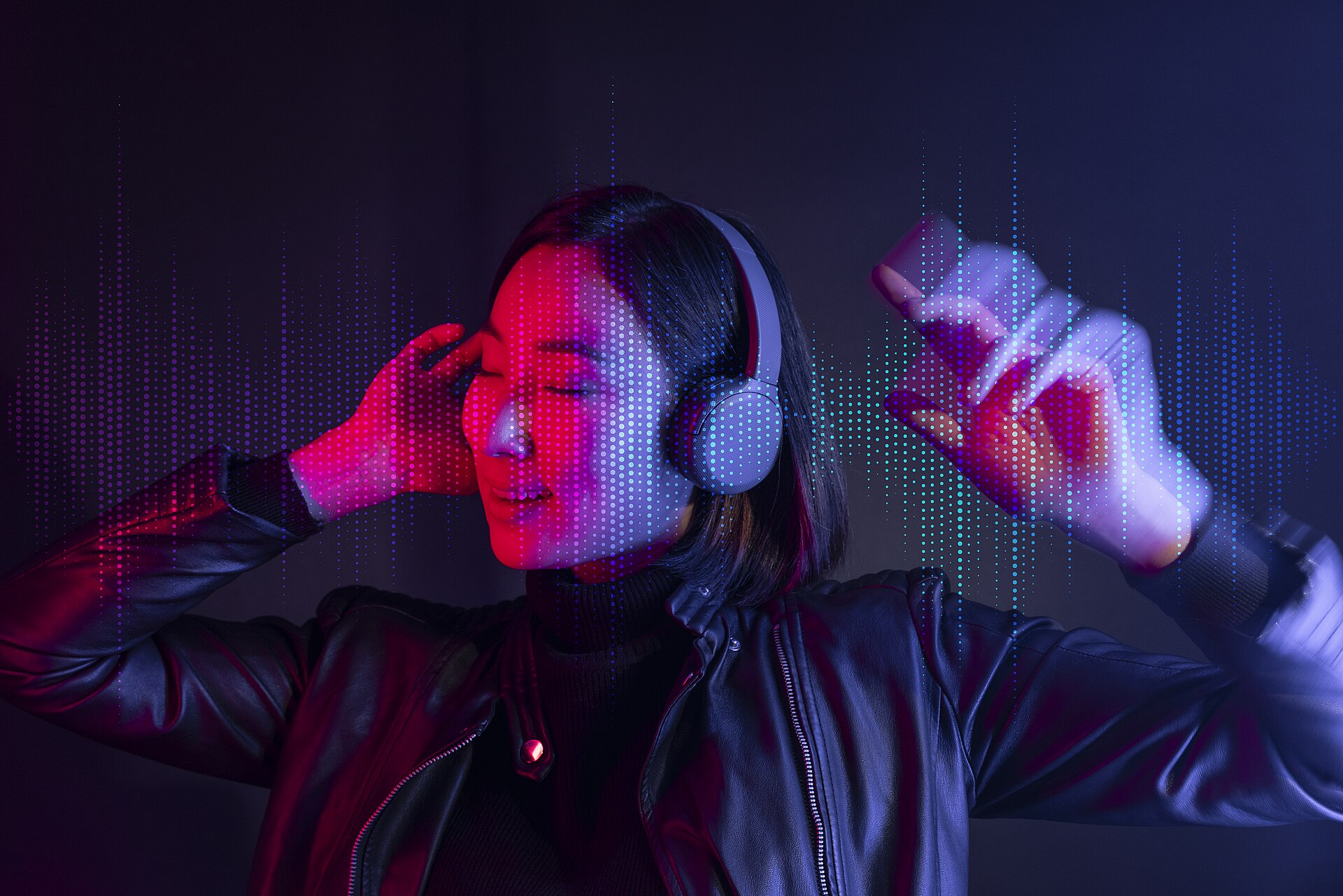
Hear any PDF read aloud — a report, a lecture, a story — with your device's own voices. Pick a voice, set the speed, and follow along. Your file never leaves your browser.
By Amir Shahzad · Last updated 20 November 2026 · Data: pdf.js 3.11.174, Web Speech API, pdf-lib 1.17; ISO 32000 (PDF standard)
No PDF chosen yet. Pick a PDF above — or try the built-in sample first.
Short answer: choose your PDF, press Extract text, then Play — the document is read aloud with your device's own voices, at the speed you pick. Nothing is uploaded, and the text stays on the page to follow along.
Some documents are long, and eyes get tired. A lecture PDF, a 40-page report, a contract you need to absorb on a walk — listening turns dead time into reading time. Students revise by ear: hearing a paragraph twice at 0.8x speed sticks better than skimming it once. And for anyone with low vision or dyslexia, a read-aloud PDF is not a convenience, it is access. The tool is deliberately simple: it extracts the text layer, splits it into spoken chunks, and hands each chunk to your browser's built-in speech synthesis — the same voices your phone uses for accessibility.
The chunks matter. Speech engines handle short utterances best, so the text is split at sentence boundaries into pieces of roughly 180 characters. Each chunk is read in turn, and the page shows which chunk is playing, so you can follow along in the text below. Pause holds your place; Stop returns to the start. Speed runs from 0.5x — slow enough to take notes by — to 2x for skimming familiar material.
The sample is a one-page document of about 90 words: a short introduction to listening, written to be heard. Extract it and the text panel shows three short paragraphs; press Play and a default voice reads them in about 35 seconds at 1.0x, or about 20 seconds at 1.5x. The chunk counter moves through roughly 4 chunks. That is the whole flow, on a document small enough to check by ear before you trust it with a long report.
| Speed | What it suits | Sample read time |
|---|---|---|
| 0.5x | Studying, note-taking, language learning | ~70 seconds |
| 1.0x | Normal listening | ~35 seconds |
| 1.5x | Reviewing familiar material | ~23 seconds |
| 2.0x | Skimming long documents | ~18 seconds |
Voices are the one thing this tool does not control: they come from your operating system and browser. Chrome and Edge on desktop ship with several English voices plus many other languages; Safari on Mac and iPhone has its own set; some Linux and headless setups have none at all. If the voice list is empty, the tool tells you plainly instead of failing silently — and the extracted text is still there to read or download.
By the numbers: more than 400 billion PDFs were opened in Adobe Acrobat in the last year, and 16 billion documents were edited there (Adobe Fast Facts, 2024). A large share of those are long documents — reports, lectures, manuals — that are easier to finish by ear than by eye. Listening is the cheapest accessibility feature a PDF tool can offer, because the voices are already on the device.
Audiobook apps read books, not your documents — and most "PDF to audio" sites upload your file, convert it on a server, and email you an MP3, sometimes for a fee. That upload is the whole problem for a private document: a medical letter, a contract, a thesis draft should not travel to a conversion server to be read aloud. This tool uses the Web Speech API already built into your browser: the text never leaves the device, the voices are already installed, and there is no account, no fee and no waiting for an email. The honest trade is that you get live playback, not a downloadable MP3 — browsers simply do not expose speech audio as a file. For a saved audiobook, record the playback with your device's own recorder, or download the extracted text and use your operating system's screen reader.
Headless setups, some Linux installs and locked-down phones ship with zero speech voices. The tool reports this clearly — the text below is still yours to read or download.
A scan has no text layer, so there is nothing to read. Run OCR first to add selectable text, then listen here.
Speech reads words, not layouts. A table becomes a stream of numbers, and equations become gibberish — listen for prose, read tables by eye.
The Web Speech API plays sound but cannot save it. Download the extracted text instead, or record the playback with your device's recorder.
Yes — unlimited PDFs, forever. No trial, no watermark, no account, no payment step. The reading runs entirely in your browser.
No. Your PDF is read 100% in your browser and never leaves your device. The voices are your device's own built-in speech voices — no audio is sent to any server.
Choose your PDF, press Play, and the text is read aloud chunk by chunk. Pick a voice, set the speed (0.5x to 2x), and follow the highlighted chunk. For a saved audio file, use the download-text button and your device's own screen reader or audio export.
Your browser needs a speech voice installed. Chrome and Edge on desktop ship with several; some mobile browsers and headless setups have none. If the voice list is empty, the tool says so — the extracted text below is still available to download and read.
Yes. The voice list shows every voice your device offers — pick any, including other languages if the PDF is in that language. The speed slider runs from 0.5x (slow, for studying) to 2x (fast, for skimming).
Only if the scan has a text layer. A scanned image PDF contains pictures of text, not selectable text, so there is nothing to read aloud. Run OCR first to add a text layer, then listen here.
Browsers do not let a page save speech audio directly — the Web Speech API plays sound but has no record button. You can download the extracted text as a .txt file and use your device's screen reader or a recording app to keep the audio.
Extraction: pdf.js 3.11.174 (Mozilla). Speech: the Web Speech API (speechSynthesis), using voices installed on your device. Sample document: pdf-lib 1.17. PDF format: ISO 32000-1:2008. Scale figure: Adobe Fast Facts, 2024 — more than 400 billion PDFs opened in Adobe Acrobat in the last year. Tested 20 November 2026 on the built-in 1-page sample document (text extracted, chunked into spoken pieces, playback controls verified; note: headless test browsers ship no voices, so audible playback depends on the voices installed on your own device). Speech synthesis reads text, not layout — check tables, figures and formulas by eye.
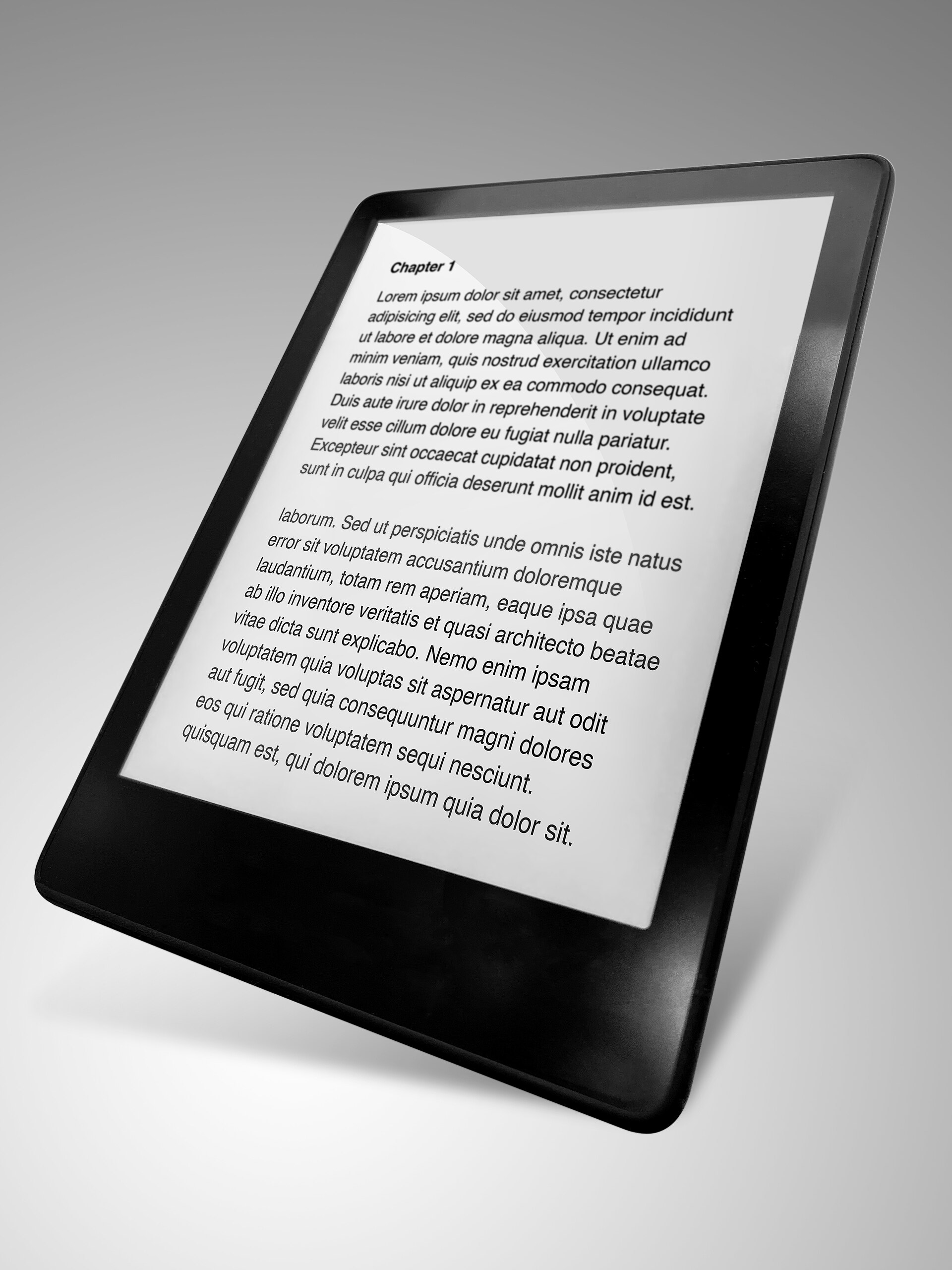
Need just the words, without the voice? Our extract text from PDF tool pulls the full text out as plain text. Want it as a book? PDF to EPUB converts the same document for your e-reader.
Educational content only. Nothing on this site is legal or professional advice.
 Free PDF Toolkit