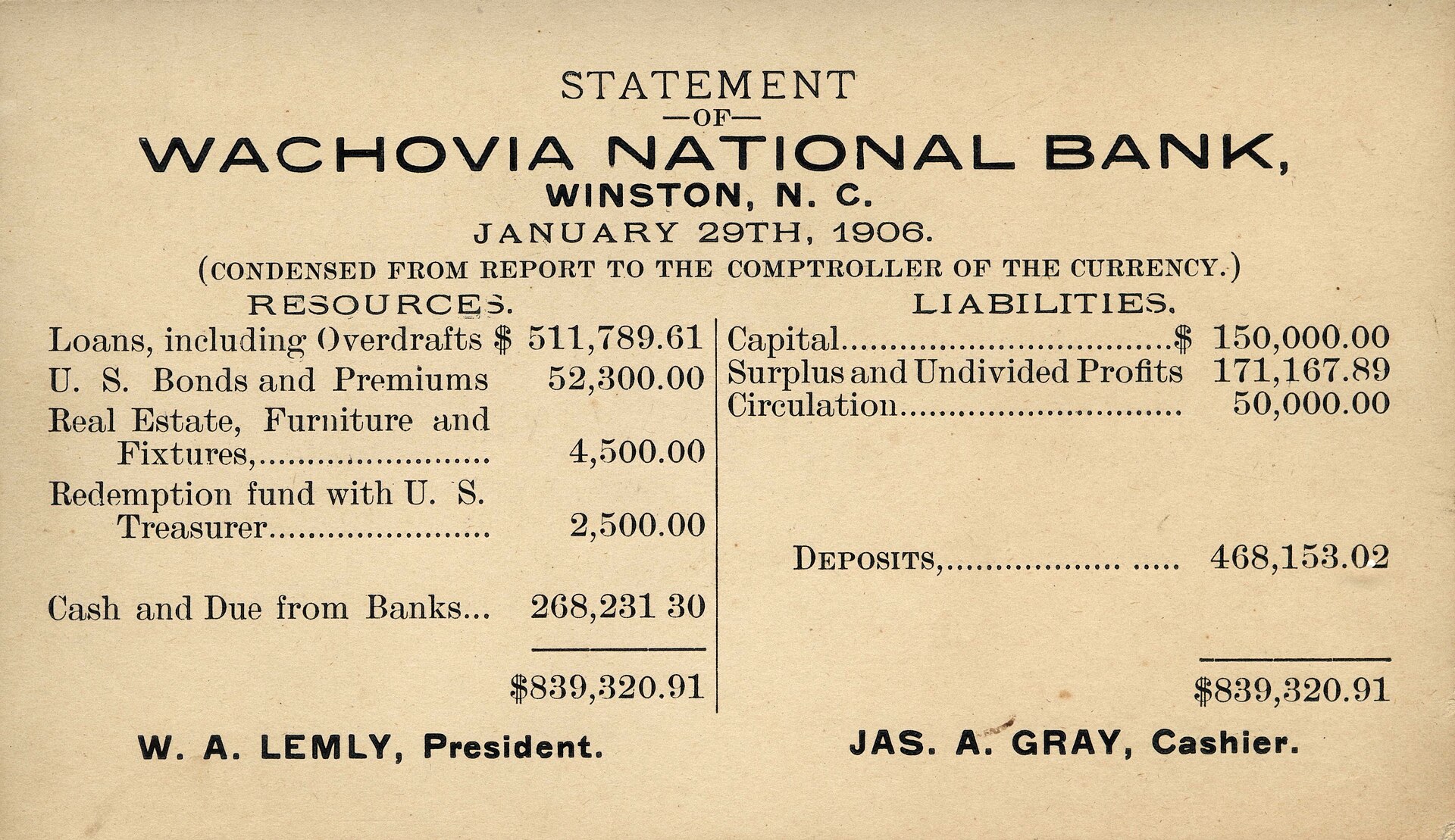
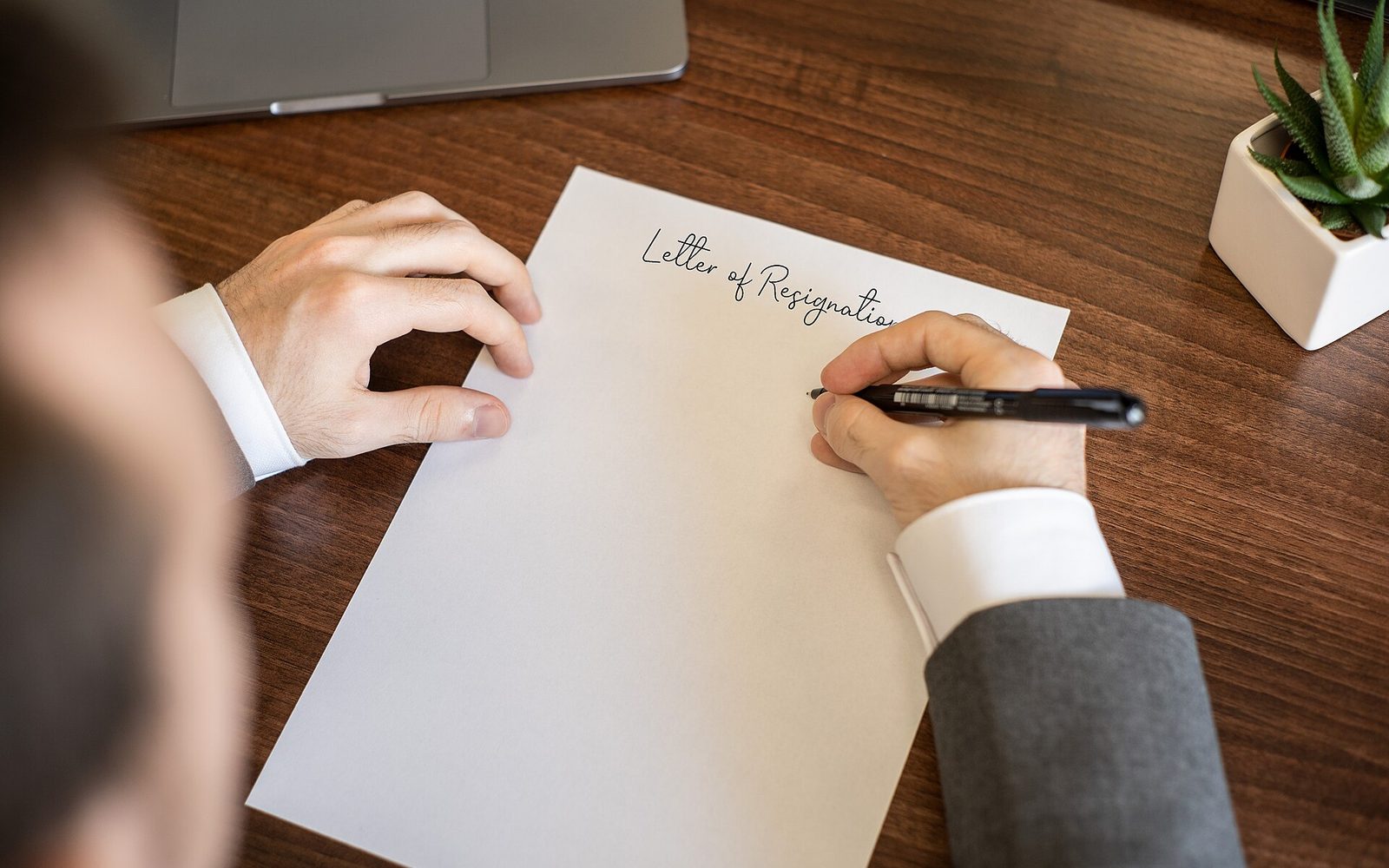
A €35 fee appears on your statement and nobody at the bank can explain it. A phone call is forgotten; a written letter starts a clock. This tool builds a clear dispute letter: the fee, the date it was charged, why you dispute it and the refund you are asking for — as a clean A4 PDF. Everything runs in your browser: your name, account details and amounts are never uploaded anywhere.
By Amir Shahzad · Last updated November 22, 2026 · 100% in-browser processing
A phone call about a fee leaves no record: the bank can say the call never happened, and you have nothing to show an ombudsman later. A written complaint starts a legal clock. Under the EU's Payment Services Directive (PSD2), Article 101, a payment service provider must reply to a complaint about a payment service — transfers, cards or charges — within 15 business days of receiving it, addressing every point raised; in exceptional cases it may send a holding reply, but the final reply must still come within 35 business days. That deadline is your leverage: a dated letter, sent in a way you can prove, is the first step of every successful fee dispute. Keep a copy of the letter, the statement showing the fee, and proof of delivery.
| Fee | Common dispute grounds | Evidence to attach |
|---|---|---|
| Overdraft fee | Account was in credit; no overdraft agreed; fee not disclosed | Statement showing the balance on the day |
| Monthly account fee | Fee changed without notice; free-account terms not honoured | Original account terms, the fee-change notice (or lack of one) |
| ATM fee | Charged at the bank's own ATM; fee not shown before withdrawal | Receipt, statement line |
| Foreign transaction fee | Fee higher than the disclosed rate; charged on a euro payment | Payment receipt, the bank's fee schedule |
| Returned payment fee | Payment failed because of the bank's error | Payment confirmation, correspondence |
If the bank refuses or the 15-business-day deadline passes without a reply, the next step in the EU is the national financial ombudsman — and the cross-border FIN-NET network connects ombudsmen across the EU, Norway, Iceland and Liechtenstein for free. In the UK, the Financial Ombudsman Service plays the same role. Your dated letter and the statement are the evidence both will ask for. If you need to review the whole statement first, our bank statement analyzer finds every fee, and bank statement to Excel turns it into a spreadsheet you can search.
Maria checks her statement and finds a €35 overdraft fee dated 10 November 2026 (illustrative example). Her account was in credit that day — a salary payment had cleared on 9 November. She enters the fee, the date and the reason, asks for a full refund, and downloads the letter dated 22 November 2026. She sends it by the bank's secure message system and keeps the confirmation. Under PSD2 Article 101 the bank must reply by 15 business days; if it does not, she escalates to the national ombudsman with the letter and the statement as evidence.
Most online letter builders upload your document to their servers and ask you to create an account before you can download — your name, account number and bank details sitting on someone else's system. This tool builds the PDF inside your own browser tab: the data never leaves your device, there is no account, and there is no watermark. The honest limit is that this is a template, not legal advice — if the amount is large or the bank has already refused, a consumer adviser or lawyer can help you escalate. For a full comparison of the approaches, read are online PDF tools safe?
This tool produces a clear complaint letter, but it is not a substitute for legal advice. Fee rules, disclosure duties and complaint deadlines differ by country and by the type of fee — the PSD2 15-day rule covers payment-service complaints in the EU; other fees may follow different rules.
A letter only starts the clock once the bank has received it. Use the bank's secure message system, recorded post, or email with a delivery receipt — and keep the confirmation with your copy of the letter.
Send the statement page showing the fee with the letter. A dispute without evidence is easy to dismiss; a statement line with a date is not.
Write to the bank naming the fee, the amount, the date it was charged and why you dispute it, and ask for a specific refund. This tool builds that letter as a PDF. Send it by secure message, recorded post or email, and keep proof of delivery.
In the EU, under PSD2 Article 101, a payment service provider must reply to a payment-service complaint within 15 business days, or send a holding reply with a final answer within 35 business days. Other fees and other countries follow different rules — check your local regulator.
Often, yes — especially if the account was in credit, the fee was not disclosed, or it was a first occurrence. Banks refund goodwill fees regularly when asked in writing; a clear letter with the statement attached is far more effective than a phone call.
Your name, the account (last 4 digits are enough), the fee type, the amount, the exact date it was charged, why you dispute it, and the refund you want. Attach the statement page showing the fee.
Ask for the refusal in writing, then escalate to the national financial ombudsman — free in the EU via FIN-NET, or the Financial Ombudsman Service in the UK. Your dated letter and the statement are the evidence they will ask for.
No — the last 4 digits are enough for the bank to identify the account, and they keep your full number out of the letter. Never include passwords, PINs or full card numbers in any letter.
Here your document is never uploaded at all. The PDF is built 100% in your browser tab with JavaScript, so your name, account details and amounts never touch a server.
Yes — unlimited letters, no signup, no watermark and no daily caps, forever. Because everything runs on your own device, there is no server cost to pass on to you.
PSD2 Article 101 complaint deadlines (15 business days, 35 maximum with a holding reply) are set out in Directive (EU) 2015/2366 and the UK Payment Services Regulations 2017, regulation 101. FIN-NET is the European Commission's cross-border financial dispute network. Figures in the worked example are illustrative. The tool builds the letter entirely in your browser; nothing is stored or transmitted. This page is a document template, not legal or financial advice. By Amir Shahzad · Last updated November 22, 2026.
Photo: Wachovia National Bank / Wikimedia Commons, Public domain · Photo: KK IN HK / Wikimedia Commons, CC BY-SA 4.0 · Photo: CIPHR Connect / Wikimedia Commons, CC BY 2.0
Educational content only. Nothing on this site is legal or professional advice.
 Free PDF Toolkit