Back from a business trip and finance wants the numbers? Build a clean per diem expense sheet: each travel day with its meals, hotel and transport, your daily allowance beside it, and the totals at the bottom. Free, unlimited and watermark-free — and it runs 100% in your browser, so your travel spending never leaves your device.

By Amir Shahzad · Last updated 24 November 2026 · Data: your own figures, entered by you
Your daily allowance rate is set by your employer — type in the rate they gave you. This tool never invents a rate: if you leave it blank, the sheet shows your actual spending only.
| Date | Location | Meals | Hotel | Transport | Other |
|---|
Honest limits: the PDF lists exactly what you type — it does not check your employer’s policy or your receipts. Ask finance which rate applies before you submit. Example days are pre-filled so you can see the totals work: replace them with your own trip.
Worked example: two days in Berlin at a €28.00 daily allowance — day one €24.50 meals, €89.00 hotel, €12.00 transport; day two €19.00 meals, €89.00 hotel, €8.50 transport → actual spending €242.00, allowance for 2 days €56.00. Change any figure and the totals update live.
Quick answer: a per diem expense sheet is the form you hand finance after a business trip. It lists each travel day — where you were, what you spent on meals, a hotel and transport — beside the daily allowance (the “per diem”) your employer pays for that day, and it totals both sides so finance can see what you spent against what you were allowed. Per diem is Latin for “per day”, and that is exactly how the allowance works: one fixed amount per travel day, not a blank cheque.
The rate is the part you must never guess. Per diem rates are set by your employer, and in the public sector by national travel-expenses law — in Germany, for example, public-sector travel follows the Bundesreisekostengesetz (Federal Travel Expenses Act). Private employers set their own rates, often by destination: a day in Paris pays more than a day in Porto. Always use the rate your employer or client gave you, and type it into the field above — this tool deliberately ships with no rate built in, because a wrong built-in rate is worse than a blank box. Our Free travel expense report maker covers the same trip in report form, and our Free mileage log handles the driving part.
Example: the pre-filled sheet above is two days in Berlin at a €28.00 allowance — €242.00 of actual spending against €56.00 of allowance. That gap is normal and expected: the allowance usually covers meals and small costs, while the hotel is claimed separately at its real price. Finance reads exactly that comparison, so keep the two columns honest.
Five columns cover every normal business trip. Keep receipts for each one — the sheet is the summary, the receipt is the proof.
| Column | What goes in it | Example |
|---|---|---|
| Date + location | One row per travel day, with the city | 10 Nov 2026, Berlin |
| Meals | Breakfast, lunch, dinner and coffee on that day | €24.50 |
| Hotel | The night’s accommodation, at its real price | €89.00 |
| Transport | Trains, taxis, airport transfers, parking | €12.00 |
| Other | Anything else the trip needed — describe it | Conference Wi-Fi, €9.00 |
Two things do not belong on the sheet: personal spending (a souvenir is not a business expense) and anything without a receipt. If finance cannot verify it, it does not belong on the form.
Companies pay travel in one of two ways, and the sheet works for both. Under a per diem system, you get the fixed daily allowance and you keep what you do not spend — the sheet proves the days, and the receipts prove the hotel. Under an actual-expenses system, the company repays exactly what you spent — the sheet is the claim, and every line needs its receipt. Some employers mix the two: a per diem for meals and actual costs for the hotel. That is the most common pattern in Europe, and it is the one the pre-filled example follows.
Ask finance which system applies before you travel, not after. The sheet is the same either way — only the totals at the bottom mean something different.
Use the allowance rate your employer gave you — by email or in the travel policy. A rate from memory is how claims get rejected.
Every meals, hotel and transport figure needs its receipt attached. No receipt, no claim — that is the rule almost everywhere.
Claim the days you actually travelled. A hotel night before the meeting starts counts; a holiday day after it does not.
If you spent in two currencies, make one sheet per currency — or convert with the rate your company accepts and note it on the sheet.
A per diem sheet contains exactly the data you least want on someone else’s server: where you travelled, when, with whom, and what your company pays you. Server-based generators receive all of it, store it under their retention policy, and may keep backups after “deletion”. This tool adds up your figures with JavaScript on your own device — open the Network tab and verify it yourself: no upload happens. That is the same privacy promise behind our Free travel expense report maker and our safety guide, which explains the upload-vs-browser difference in plain terms.
The trade-off is honest and small: because nothing is stored for you, the form clears if you refresh — so download the PDF before leaving the page, and file it with your receipts. That is the entire cost of keeping your travel off the internet.
Affiliate disclosure: This page contains an affiliate link. If you buy through it, Free PDF Toolkit may earn a commission at no extra cost to you. See our Affiliate Disclosure.
Expense sheets usually travel to finance by email, and a free mailbox address does not look like a business. MailCheap provides private email hosting for your own domain, so your claims arrive from a professional address you control.
A per diem is a fixed daily allowance your employer pays for each day of business travel — Latin for “per day”. It usually covers meals and small daily costs, while the hotel is normally claimed separately at its real price.
The rate your employer gave you — by email or in the company travel policy. Rates differ by employer and by destination, and public-sector travel follows national travel-expenses law. Never guess a rate: ask finance first.
No — and that is deliberate. Rates differ by employer and destination, so a built-in rate would often be wrong. Type in the rate your employer gave you; if you leave it blank, the sheet shows your actual spending only.
Yes — that is the usual pattern. Meals go in the meals column and are compared with the daily allowance; the hotel goes in its own column at its real price.
As many as you need — there is no limit and no account. For long trips (over about 12 days) the PDF continues onto a second page automatically.
Yes — unlimited sheets, every column, PDF download, forever. No trial, no watermark, no account, no payment details. It runs entirely in your browser, so there is nothing to meter.
No. The sheet is assembled entirely in your browser with JavaScript — your travel figures are read from the form, totalled, and written into a PDF locally. Open the Network tab while you generate it and verify it yourself: no upload happens.
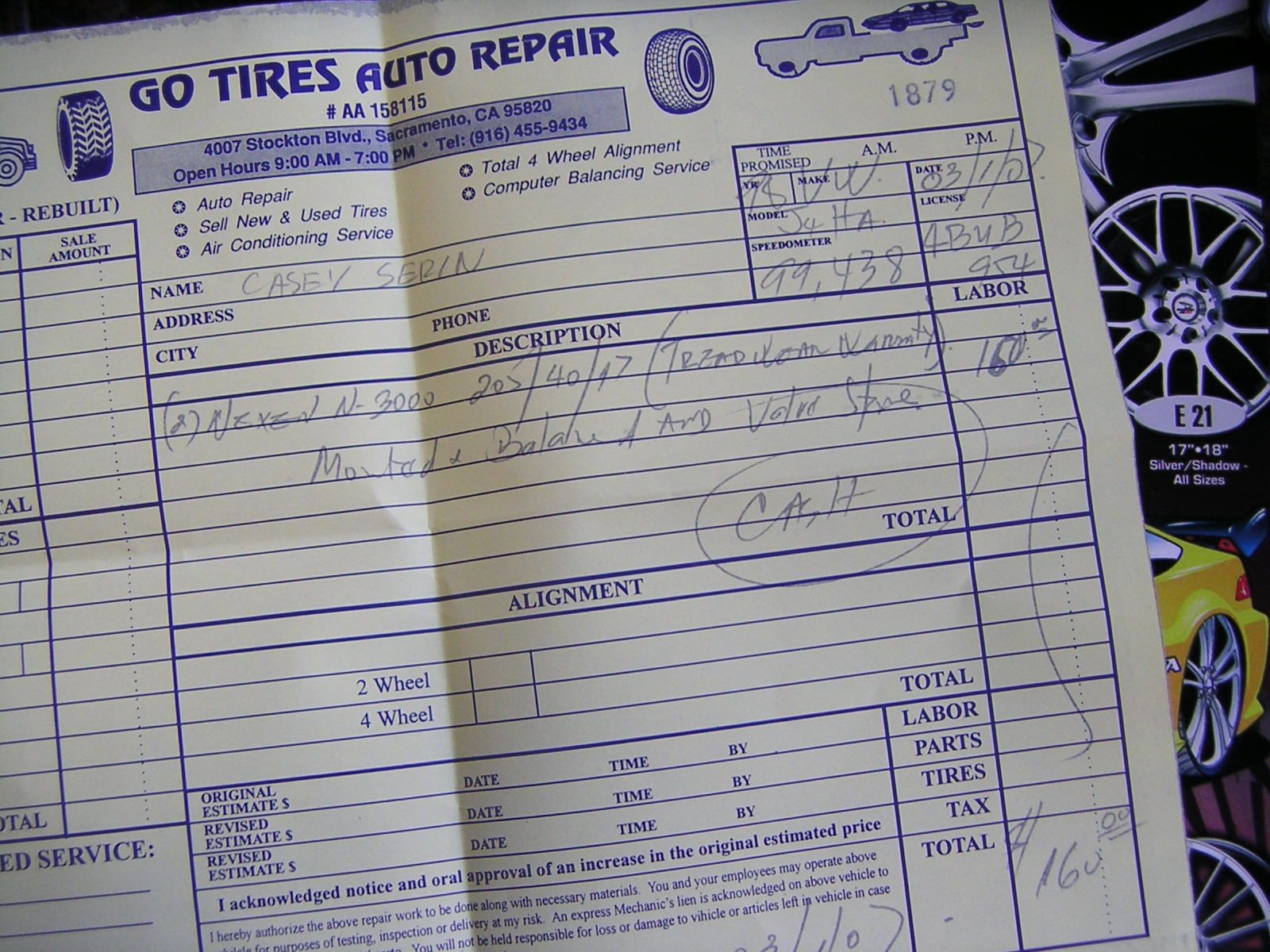
Card photos: Casey Serin / Wikimedia Commons, CC BY 2.0
Educational content only. Nothing on this site is legal or professional advice.
 Free PDF Toolkit